
Why Eugene Porta Pros started
The owner grew up watching his father pump septic tanks in rural Eugene. When portable sanitation companies in the 1990s treated small contractors like they were a hassle, he decided to start a business that didn't. We hired service technicians who understood job sites. We bought equipment that could handle mud, gravel and weather. We answered the phone at night. That philosophy has not changed. Eugene Porta Pros treats a single-unit emergency the same way we treat a 40-unit festival: you call, we show up, we solve it.
Today we operate from a yard on the northeast side of Eugene. We carry spare tanks, replacement doors, and parts inventory so a breakdown doesn't strand your crew. We've pumped septic systems for residential customers with tanks that are typically emptied every 3 to 5 years, depending on tank size and household size. We service commercial grease traps. We've built temporary sanitation for music festivals, construction camps and agricultural operations across Springfield, Coburg and Creswell. Three of our five service managers have worked here over a decade. They know Eugene.
What we rent and why it matters
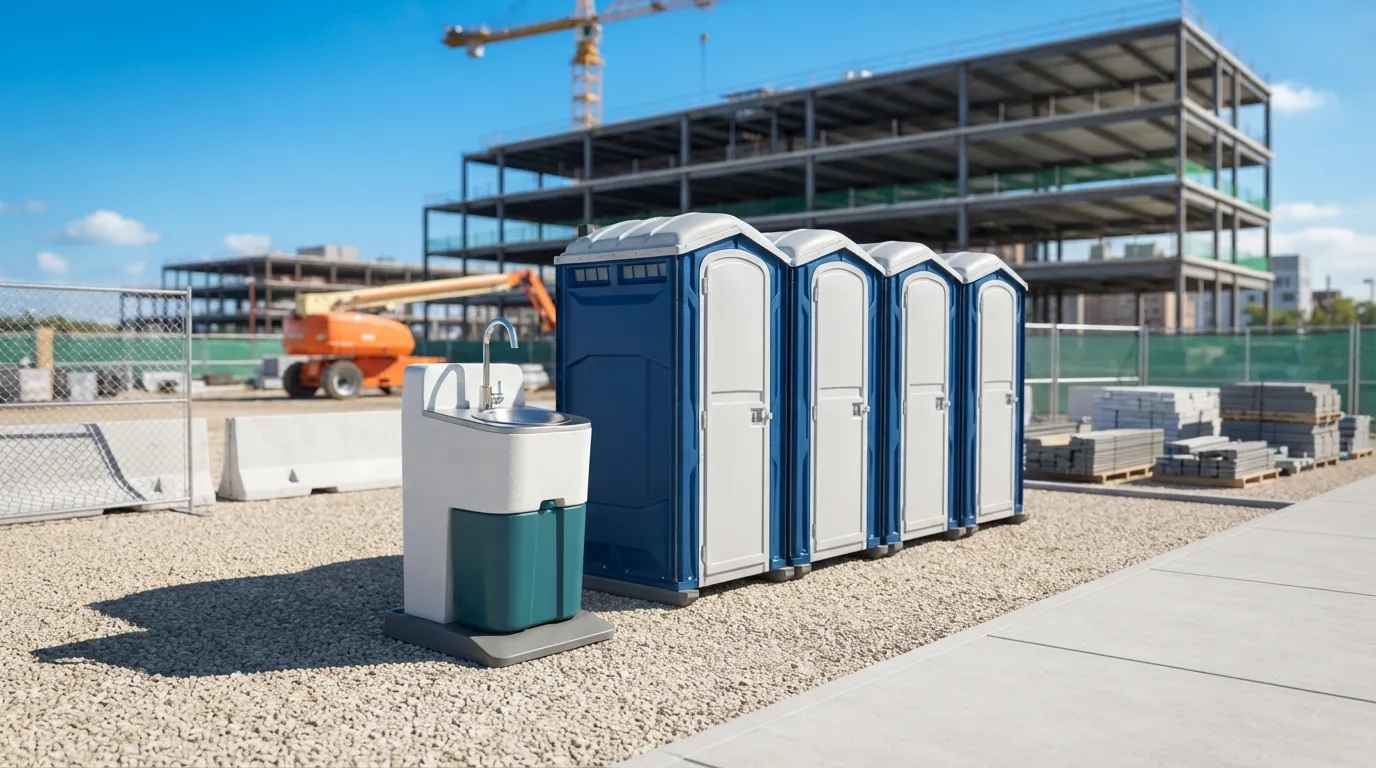
Standard porta potties are the workhorse. They hold 60 to 70 gallons and sit about 44 by 48 inches on the ground. A deluxe flushable unit costs more but reduces odor and gives your crew a better experience. ADA accessible toilets meet the turning radius and door width required by ADA Standards sections 404.2.3 and 213.2. Construction sites with 20 workers or fewer need 1 toilet facility under OSHA 1926.51(c)(1), though most sites benefit from more.
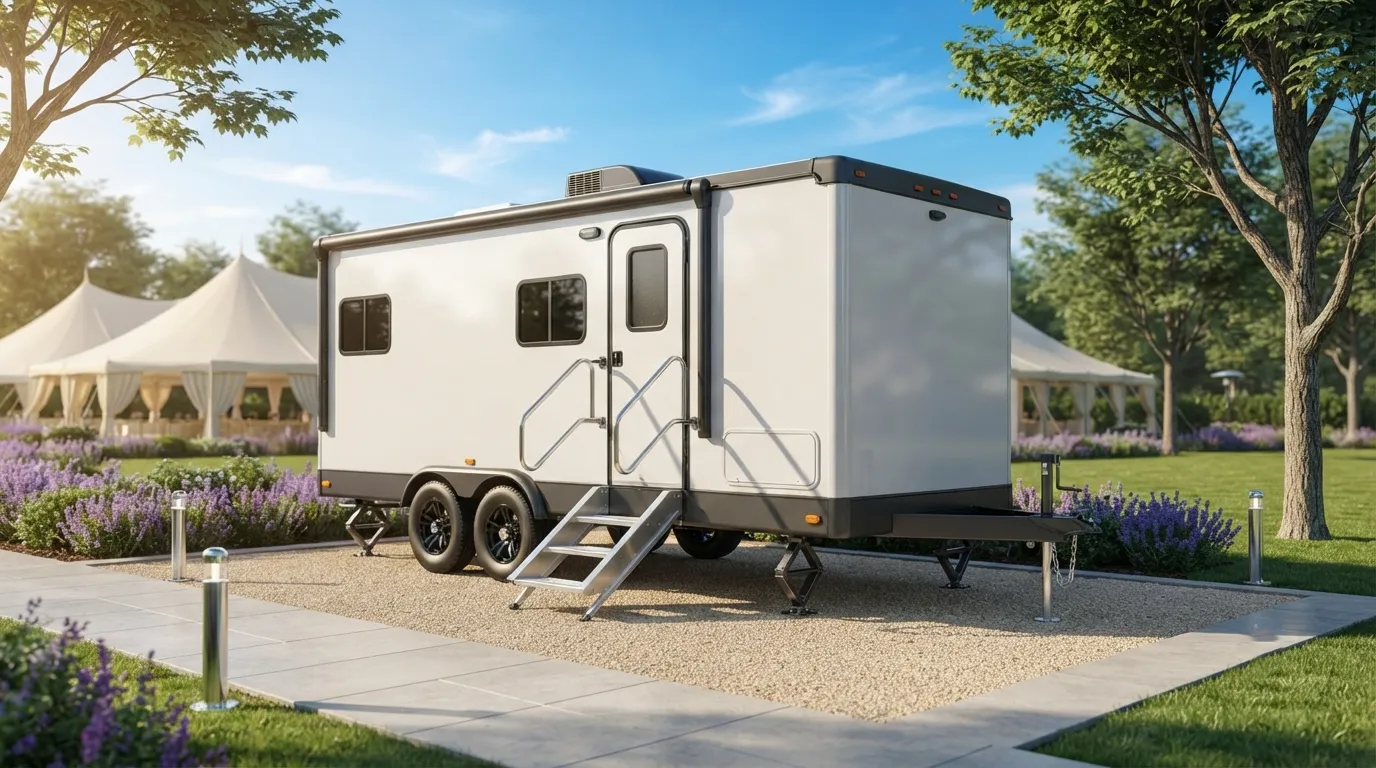
Restroom trailers are rented for events, film sets and long-term projects. Septic pumping is not glamorous but it's critical: we've cleared backed-up systems on farms near Junction City and in commercial buildings across downtown Eugene. Roll-off dumpsters remove debris from renovation work. Storage containers hold tools and materials. Handwashing stations are required by 29 CFR 1910.141(d)(2) where jobs use soap and towels or a hand dryer. Temporary fencing secures sites and manages foot traffic at events.
How we service units
One service visit per week is the baseline interval under ANSI/PSAI Z4.3 for up to 10 users over a 40 hour week. We deliver on the day you call if the route allows it. A standard porta potty rental needs about 60 feet of straight clearance behind the truck for the roll-off arm. We've learned the narrow alleys in the Fairmount neighborhood and the tight driveways near the University of Oregon campus. We empty holding tanks, restock toilet paper and soap, and hose down the exterior. If a unit breaks, we replace it that day.
Emergency rentals happen when a main sewer line clogs or a festival vendor loses toilet access. We keep units staged and ready. Placement in the public right of way needs confirming with the city. We handle that conversation. We also manage the logistics of how many porta potties you actually need; it's not a guess, and we've done it enough times that we get it right.
Questions customers ask most
Do you deliver on weekends?
Yes. Weekend delivery and service cost more, but we staff the route. Call and ask for a weekend quote.
What's the difference between a deluxe unit and a standard?
Deluxe units have a flushing system that reduces odor and requires more frequent service. Standard units are cheaper and work fine for short-term rentals and rough job sites.
Can I rent a storage container and a dumpster at the same time?
Yes. Many contractors need both. Tell us your needs and we'll quote them together, often with a discount.
Why does septic pumping cost different amounts?
Tank size, access difficulty and how full the tank is all change the price. We quote after a site visit.
How do I know when my septic tank needs pumping?
Slow drains, wet spots in the yard and sewage smell are warning signs. A residential septic tank is typically pumped every 3 to 5 years. We pump commercial grease traps when solids reach 25 percent of liquid depth.
Next step
Get a delivery date
Tell us the address, the dates and the headcount. We size the order and confirm the route.