
What are the early warning signs of a full septic tank?
The drains slow down first, usually the lowest fixture in the house. A basement sink or the lowest floor drain backs up before an upstairs shower does, because it sits closest to the tank's water table. Gurgling in the pipes after a flush is next. That sound is air trying to push past standing wastewater in the line, and it's one of the items covered in a porta potty rental checklist style walkthrough some crews use before a job starts. Watch the yard too: soggy or unusually green patches over the drain field, even in dry weather, mean effluent is surfacing instead of draining. Eugene Porta Pros gets called out on plenty of these before the customer even smells anything, often alongside routine portable toilet rental service on the same property. If you're already noticing slow drains, it helps to know how often to pump a septic tank in this area, since tank size and household size drive that interval more than any calendar date does. A septic tank is generally pumped when solids build up enough to shrink usable capacity, which is a different trigger than the fats-oils-grease standard used for grease interceptors, where pumping happens once FOG and solids reach 25 percent of liquid depth. That 25 percent line is a grease trap rule, not a septic tank one, but it explains why restaurants and food trucks in Eugene need grease trap pumping on its own separate schedule, and why a septic pumping service quote for a home differs from a commercial kitchen quote.
Why does my yard smell like sewage near the tank?
A sulfur or rotten-egg smell near the tank lid or drain field almost always means gas is escaping somewhere it shouldn't. That could be a cracked lid seal, a vent pipe issue, or a tank that's full enough that gas is pushing out through soil instead of the vent stack. It's worth having this looked at before it becomes an emergency septic service call at 9pm on a Friday, the same way an emergency porta potty rental gets booked when a jobsite restroom fails without warning. Eugene's clay-heavy soil in parts of town drains slower than sandy soil, so a struggling drain field can take longer to show visible wetness even after it's technically failing underneath. If the smell shows up right after heavy rain, that's often the soil telling you the field is already saturated and has no margin left. For a straight answer on cost before you call, septic tank pumping cost breaks down what a routine visit runs versus an emergency one, similar to how porta potty rental cost breaks down daily versus monthly rates for equipment.
Can a septic tank overflow without any warning?
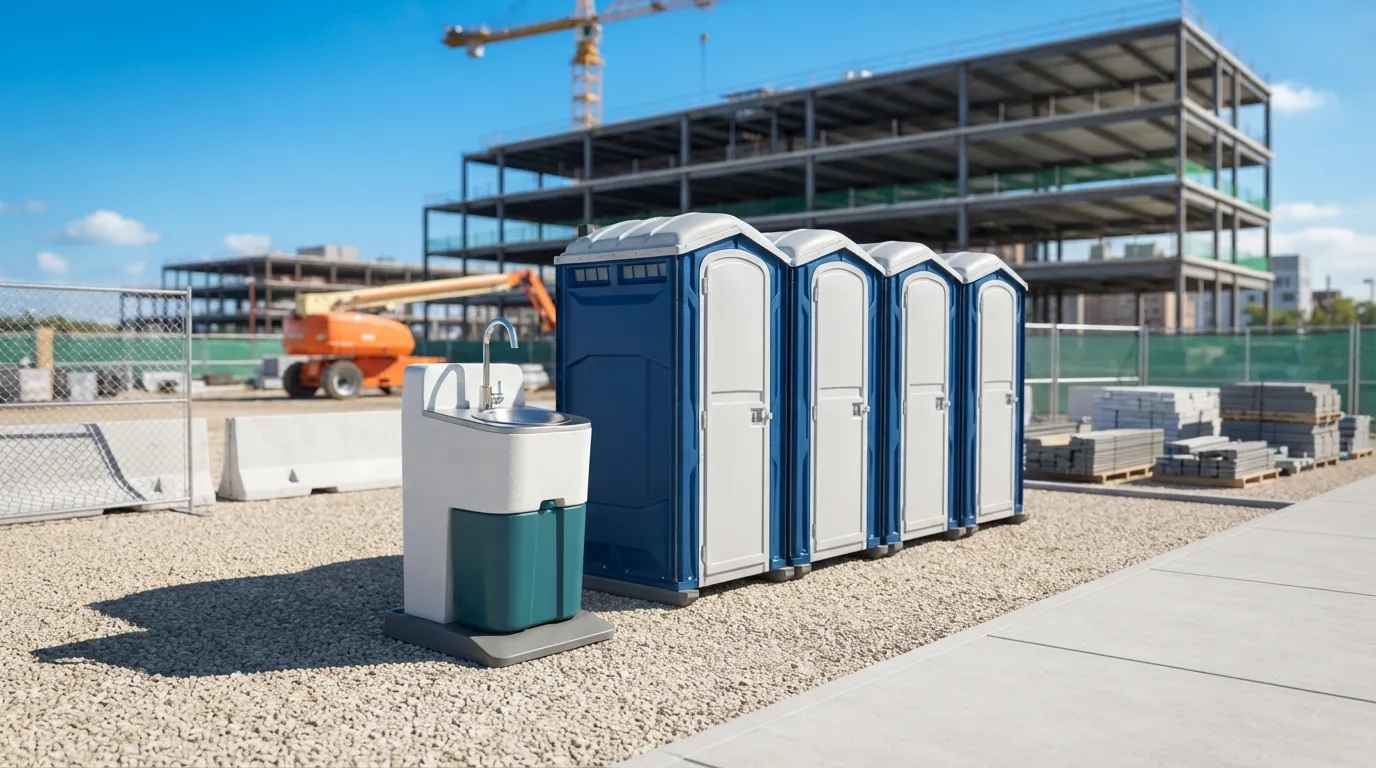
Not usually, but the warning can be quiet. Toilets flushing slower, water backing up into a tub when you run the washing machine, or a sudden burst of unusually lush grass over the leach field are all signals the system sends before outright failure. Multiple slow drains at once, especially ones on different ends of the house, point to the main line or the tank itself rather than one clogged fixture. That's a bigger job than a plunger fixes, closer in scale to the planning that goes into construction site services than a weekend fix. If you're renting the property or running a business and can't take the system offline for repairs, a holding tank rental buys time while the septic system gets diagnosed and fixed. Construction crews working near Eugene's older residential lines sometimes damage a lateral without knowing it. Anyone digging on a property in River Road, about 2.4 miles north of Eugene, or out toward Coburg, 10.5 miles northeast, should have utility lines and septic laterals located before excavation starts, and should check dumpster permit requirements if debris removal is part of the dig.

Should I pump the tank myself or call a professional?
Call a professional. Septic tanks hold gases that are dangerous in an enclosed space, and lids can be heavier and more awkward than they look. A pumping truck also needs enough tank capacity and hose reach to fully evacuate solids, not just draw down liquid, which is the mistake that leads to a tank looking "fine" for a few months before failing again, much like an undersized roll-off dumpster rental fills faster than expected on a demo job. Eugene Porta Pros handles routine and emergency pumping and can also set up a portable restroom rental or a holding tank rental if the household or job site needs a working restroom while the tank or field is being repaired. For construction sites where crews are working without any bathroom access at all, OSHA 1926.51(c) sets minimum toilet ratios by crew size, and that's worth checking against your current setup, not just your septic situation, especially if a septic repair takes a bathroom offline for more than a day, which is when a porta john rental or standard porta potty rental covers the gap. Homeowners doing a renovation that disturbs the septic system's above-ground lid or riser sometimes need a home renovation porta potty for a week or two anyway, and larger projects sometimes add a temporary fence rental to keep the work area closed off.
| service | duration | typical price |
|---|---|---|
| septic pumping | day visit | $250 |
| septic pumping | weekend call | $100 |
Pricing above reflects the FACT BANK's measured range for routine and weekend septic work; a full diagnostic or repair estimate should come from an on-site visit. For anyone comparing this against renting equipment instead of repairing a failing system, septic pumping service and septic tank cleaning both cover what's included in a standard visit.
How often should a septic tank actually be pumped?
Every 3 to 5 years for most residential tanks, though household size and tank size shift that window. A family of six on a 1,000 gallon tank will need service more often than a couple on a 1,500 gallon tank. See how often to pump a septic tank for the specifics.
What happens if I ignore the warning signs?
The drain field can become saturated with effluent, which is expensive to repair and sometimes requires replacing the whole field. Backups into the house are the next step after that. Catching slow drains or yard odor early almost always costs less than waiting for a full backup.
Can tree roots cause septic tank problems?
Yes. Roots seek out moisture and will grow into cracks in pipes or the tank itself, blocking flow or cracking lines outright. If warning signs show up near mature trees or along a line that runs close to landscaping, root intrusion is worth ruling out early.
Is a bad smell always a septic problem?
Not always, but it's the first thing to check. A dry trap under an unused drain, a loose toilet seal or a vent pipe issue can also cause sewer smell. If the smell is strongest near the tank lid or drain field itself, that points toward the septic system specifically.
Does Eugene weather affect septic system failure?
Heavy rain saturates soil and can push a struggling drain field over the edge faster, since the ground has less capacity to absorb overflow. Systems that seem fine in summer sometimes show symptoms for the first time during Eugene's wetter months.
Next step
Get a delivery date
Tell us the address, the dates and the headcount. We size the order and confirm the route.