
How Often Does a Septic Tank Need Cleaning?
Three to five years is the standard window, and it holds up whether you're on River Road 2.4 miles north of Eugene, out in Santa Clara, or in town. Tank size and household size drive the math more than anything else. A bigger tank with fewer people stretches toward five years. A smaller tank with a full house pushes toward three, sometimes sooner if you're running a garbage disposal hard or doing a lot of laundry on one system. If you're not sure what you're working with, septic pumping service technicians can measure scum and sludge layers on the first visit and tell you where you actually stand instead of guessing off a calendar. Waiting for a problem is the expensive way to find out, and the septic tank warning signs page covers what to look for before it gets there. Watch for slow drains, gurgling pipes, or standing water near the drain field. Those are covered in more detail on our septic tank warning signs page, and catching them early usually means a routine septic tank cleaning instead of an emergency call.
What Determines Septic Tank Cleaning Frequency?
Two things matter most: how big the tank is and how many people are flushing into it every day. A 1,000 gallon tank built for a small household ages differently than the same tank feeding a family of six. Add a garbage disposal, frequent guests, or a home business, and you're generating more solids than the tank was designed to handle on the standard 3 to 5 year clock, similar to how a construction dumpster rental fills faster on a busy job site than a slow one. Water softener discharge and heavy laundry cycles add volume too, which shortens the interval. If you're renovating and need sanitation on-site while plumbing is disconnected, a holding tank rental covers the gap, and a lot of Eugene homeowners pair that with a home renovation porta potty for crew use during the project. Commercial kitchens run on a different clock entirely: a grease interceptor gets pumped once fats, oils, grease and solids reach 25 percent of the liquid depth, which has nothing to do with the residential 3 to 5 year rule, and it's a separate service from the septic tank cleaning most homeowners need. If that's your situation, see grease trap pumping instead.
What Does Septic Pumping Cost in Eugene?
Pricing depends on tank access, how full the tank is, and whether it's a routine visit or an emergency call. Here's the general range:
| Service | Duration | Typical Range |
|---|---|---|
| Septic pumping | Day rate | $150 to $300 |
| Septic service | Weekend | $50 to $150 |
A standard day-rate pump-out for a residential tank runs toward the middle of that range for most Eugene homes, similar in structure to how a standard porta potty rental is priced by the day. Weekend calls run lower per visit but usually apply to smaller add-on work rather than a full pump, much like a weekend rate on restroom trailer rental covers a shorter booking than a full week. For a full cost breakdown by tank size and condition, septic tank pumping cost walks through what changes the number. If your tank backs up outside business hours, emergency septic service is the faster route and it's worth having that number saved before you need it, not after.
Why Does Regular Pumping Matter?
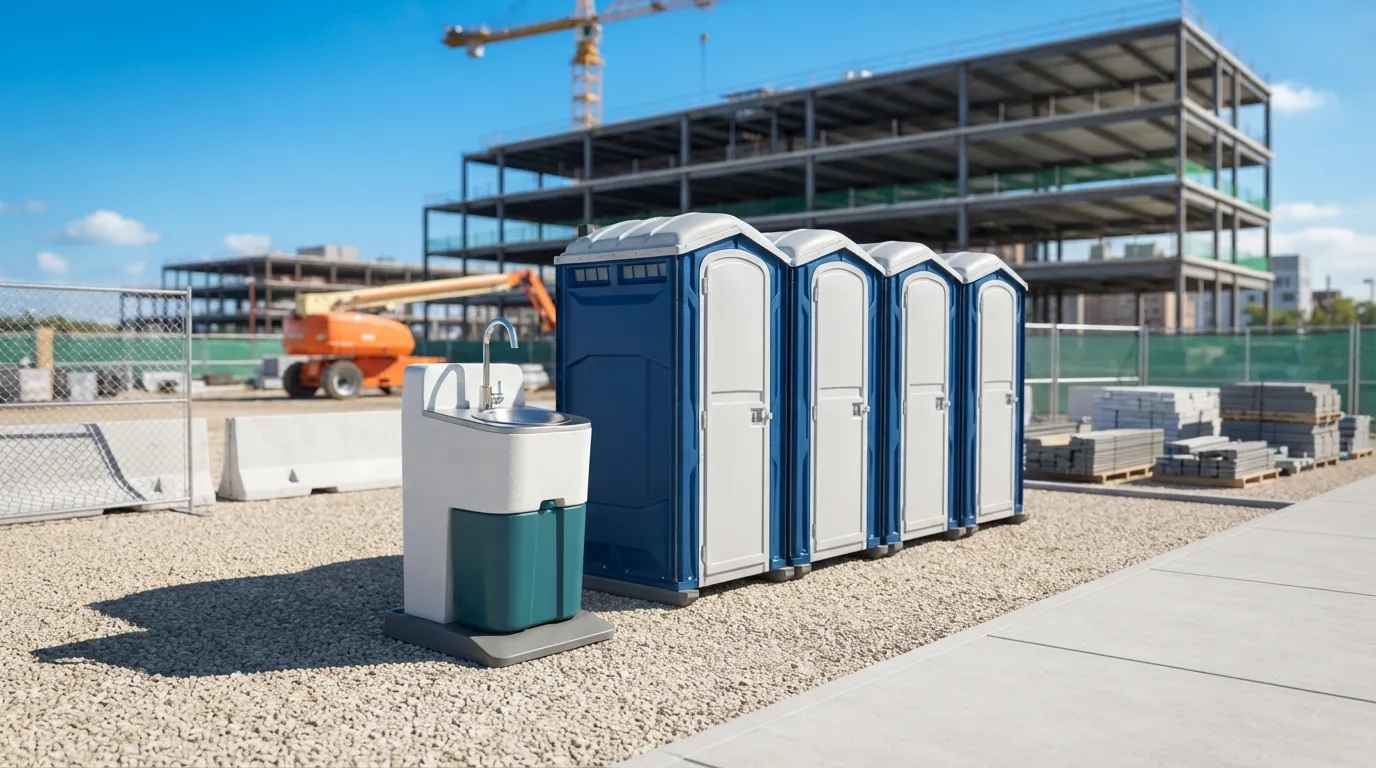
Skipping the 3 to 5 year interval lets solids build up past what the tank can hold, and that pushes sludge into the drain field where it clogs the soil permanently. Once that happens, you're not looking at a pump-out anymore. You're looking at a drain field replacement, which costs far more and takes the system offline while it's done. Eugene Porta Pros sees this pattern often: homeowners stretch the interval to save money on one visit and end up paying for a much larger repair a year or two later, the same way skipping a scheduled roll-off dumpster rental pickup leads to overflow fees. Regular pumping is cheap insurance by comparison, and pairs well with routine planning tools like the porta potty rental checklist for anyone managing a property with both systems. If you're hosting an event and need backup sanitation while septic work is underway, event restroom rental and portable restroom rental both cover short-term needs without touching the compromised system. For ongoing construction projects that need sanitation planned from day one, construction site services bundles septic, toilets, and dumpsters under one call, and a temporary fence rental or handwashing station rental often rounds out the same site setup.
How do I know if my septic tank needs pumping now?
Slow drains, gurgling toilets, sewage odor near the tank, or standing water over the drain field are the signs to watch. Any one of those means don't wait for the 3 to 5 year mark. Call for an inspection. See septic tank warning signs for the full list.
Does household size really change the interval?
Yes. A larger household generates more wastewater and solids per week, which fills the tank faster regardless of its rated size. A family of six on a 1,000 gallon tank should plan closer to the 3 year end, not the 5 year end.
Can I extend the interval with less water use?
Somewhat. Spreading laundry loads across the week and fixing leaky fixtures reduces strain, but it won't double your interval. Tank size and household size still set the baseline range.
What happens if I skip a pumping cycle?
Solids overflow into the drain field, which can clog the soil and force a costly replacement. A missed cycle also raises backup risk inside the house, especially during heavy use periods like holidays.
Is septic pumping different from a portable toilet rental?
Completely different services. Septic pumping empties a fixed in-ground tank. If you need standalone facilities, check portable toilet rental or the porta potty rental cost page for pricing.
Next step
Get a delivery date
Tell us the address, the dates and the headcount. We size the order and confirm the route.