What comes with a portable sink rental?
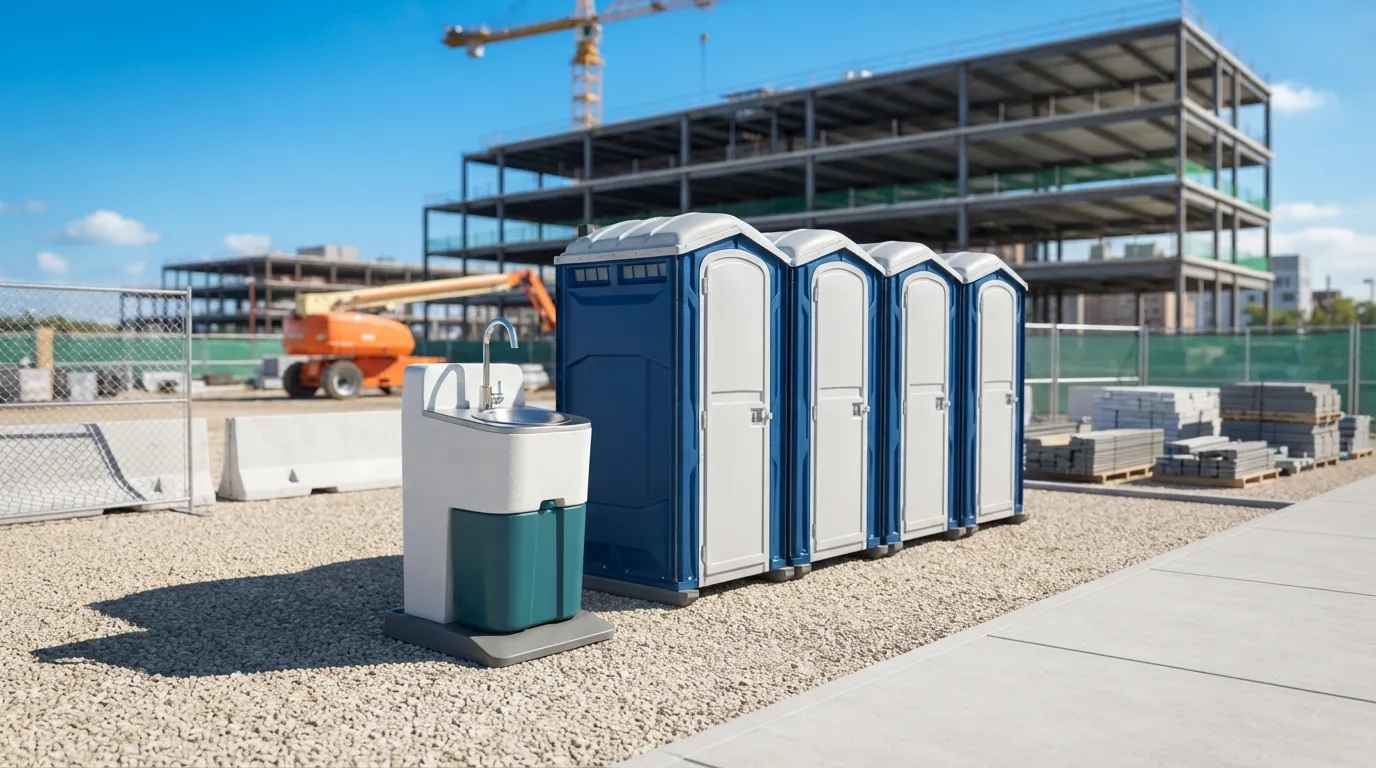
Every unit from Eugene Porta Pros pairs a basin with a fresh water tank and a matched wastewater tank, so nothing drains onto the ground. Most stations run on foot pumps or gravity feed, and a few offer hot water for hair washing or heavier cleanup work. If you're weighing a full handwashing station rental against a compact sink, the sink option is lighter and easier to tuck next to a food booth or a single work crew. Soap and towel dispensing matters here: 29 CFR 1910.141(d)(2) requires soap and a way to dry hands, and hand sanitizer alone doesn't meet that standard. That rule applies whether you're running a construction crew in Springfield, 9.2 miles east of Eugene, or a farmers market downtown. Some renters pair a sink with a portable toilet rental so the whole handwashing and restroom setup arrives on one delivery, which simplifies both placement and pickup day.
Can I wash my hair in a portable sink?
Yes, if you rent a hot water unit. A basic cold-water sink works for hand cleaning and light rinsing, but washing hair comfortably needs a heated tank and a deeper basin, which is why we stock hot water portable sink stations separately from the standard cold units. Campers, film crews, and event vendors ask for this most. If you're setting up for a multi-day shoot, check our film set restroom rental page, since sinks often get paired with restroom trailers on those jobs. For weekend camping trips or festival vendor rows, a portable sink for hair washing next to a festival restroom rental setup covers both needs without crowding the site. Tank size drives how long a station lasts between refills: a compact camping sink might run on a 5 to 10 gallon tank, while job-site units often use larger reservoirs comparable to the 60 to 70 gallon holding tank found on a standard portable toilet.
Does a portable sink meet OSHA handwashing requirements?
It depends on the work. OSHA 1926.51(f)(1) requires washing facilities specifically where employees apply paints, coatings, herbicides, or insecticides, or where other harmful contaminants are present, so a painting crew or a landscaping operation using chemical treatments needs a compliant sink on site, not just sanitizer. General toilet facility counts fall under OSHA 1926.51(c), which sets ratios by crew size and doesn't by itself mandate a sink. Farm operations fall under a different rule: OSHA 1928.110 requires potable water, toilets, and handwashing for hand-labor employees, at one facility per 20 workers, within a quarter mile walk. That's relevant for growers near Junction City, 13.4 miles north of Eugene, or vineyard crews closer in. If you're unsure which rule applies to your crew, our handwashing requirements page walks through the distinctions, and OSHA portable toilet requirements covers the toilet-side ratios in more detail.
Where can I place a portable sink station?
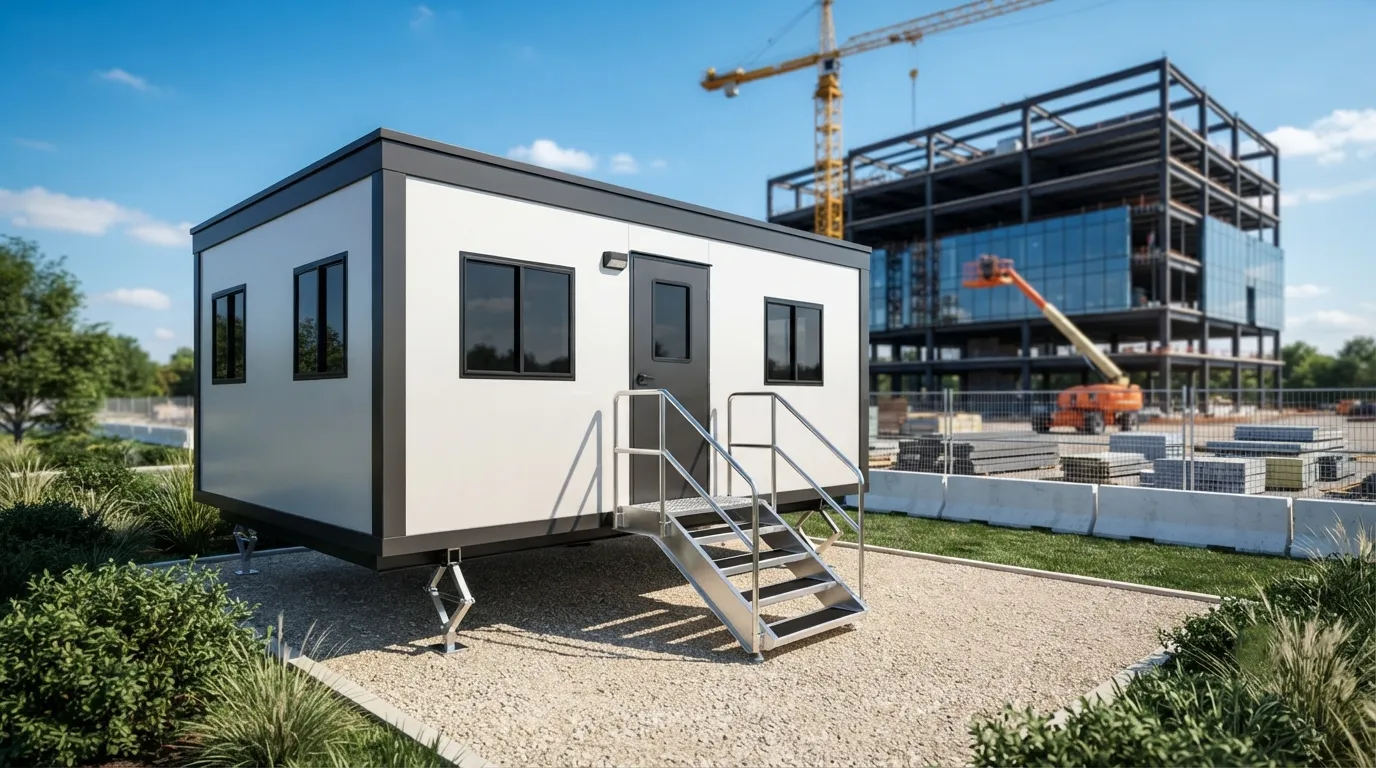
Anywhere with stable, level ground and enough clearance for delivery and service. ADA Standards section 302.1 calls for floor and ground surfaces that are stable, firm, and slip resistant, which matters most at event sites with gravel or uneven turf. If the sink sits beside an ADA-accessible restroom, ADA Standards section 304.3.1 requires a 60 inch turning circle nearby, and section 403.5.1 sets a 36 inch minimum clear width on the accessible route leading to it. We've placed sinks at events in Coburg, 10.5 miles northeast of Eugene, and at construction sites in Creswell, 15.4 miles southeast, where the access path had to be planned around gravel staging areas. For guidance on where units and sinks work best relative to entrances, food service, and traffic flow, see our porta potty placement guide. If your site sits in the public right of way, placement needs confirming with the City of Eugene before delivery.
Portable sink rental options and pricing
| unit type | duration | typical price |
|---|---|---|
| standard sink station | day | $150 |
| standard sink station | week | $200 |
| standard sink station | month | $200 |
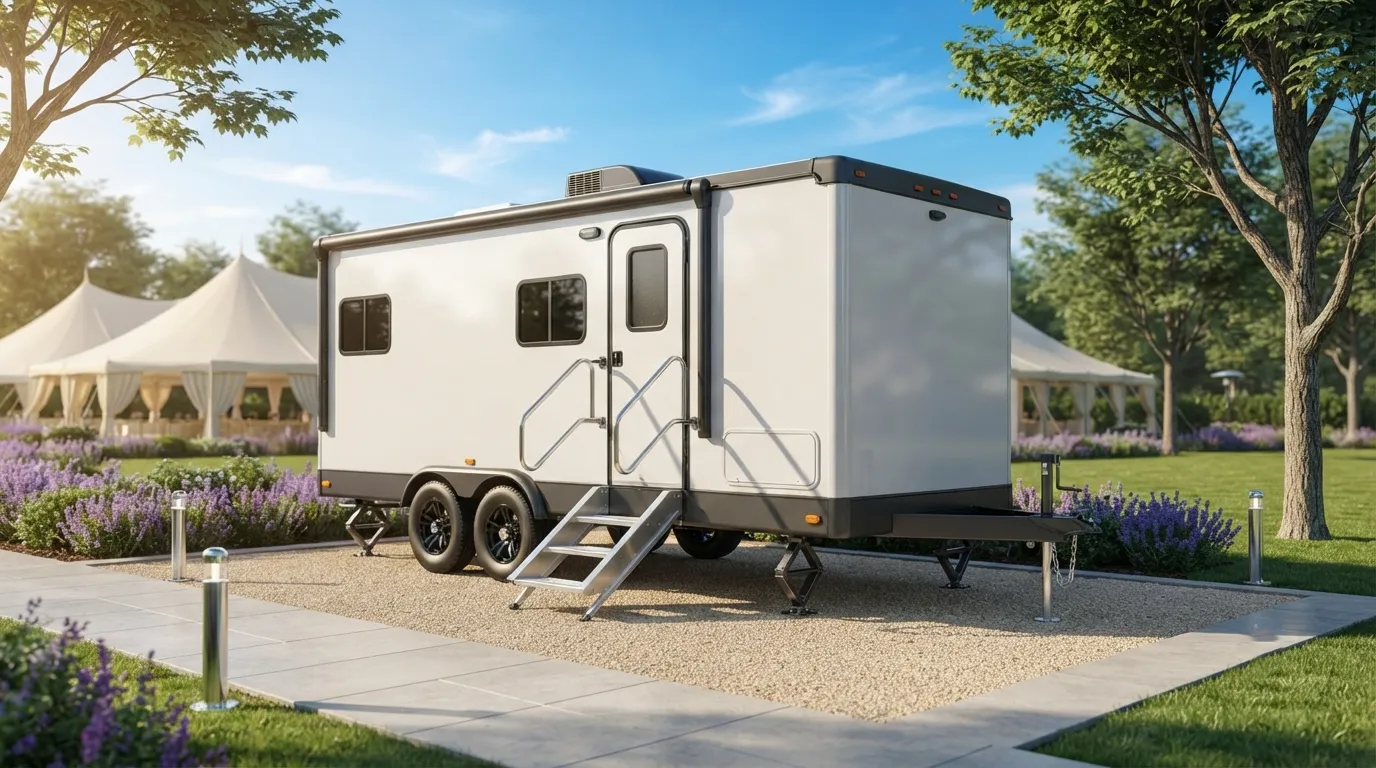
Pricing follows the same pattern as our other rentals: a single day costs less than a week, and a week costs less than a month, so budget accordingly if you need a station through a full project. Delivery fees apply separately and scale with distance and job duration; see porta potty rental cost for how delivery pricing works across unit types. For crews weighing a sink against a full trailer, restroom trailer rental cost breaks down that comparison, and if you're renting for a month-long job, monthly porta potty rental shows how bundled rentals often save more than separate line items.
How much water does a portable sink tank hold?
Tank sizes vary by unit, with small camping sinks holding a few gallons and job-site stations scaling up toward tank sizes similar to the 60 to 70 gallon range used on standard portable toilets. Larger tanks mean fewer refills across a busy day, which matters most at events with heavy foot traffic.
Do portable sinks need a power hookup?
No. Most units run on foot pumps or gravity-fed lines, so no electrical connection is required. Hot water models may include a small heating element, but they still don't need a building hookup, which is why they work well at remote sites near Eugene with no utility access.
Can I rent a portable sink for a single weekend event?
Yes. Day and weekend rentals are common for weddings, markets, and races. Pair the sink with a wedding restroom rental or marathon and race restrooms setup so guests have both handwashing and toilet access at one stop.
What's the difference between a portable sink and a full handwashing station?
A portable sink is typically a single basin unit, while a handwashing station may include multiple basins for higher-traffic sites. Crews with 20 or more workers often need the multi-station setup to keep lines short during breaks and shift changes.
Can a portable sink go next to a construction dumpster?
Yes, sinks and dumpsters are placed side by side on many job sites. Check our construction dumpster rental page for delivery clearance details, since both units need accessible ground for drop-off and pickup.
Next step
Get a delivery date
Tell us the address, the dates and the headcount. We size the order and confirm the route.