
How Do Porta Potties Work?
There is no water line, so nothing gets flushed away the way it does at home. Waste drops straight into the tank below the seat, where a blue chemical treatment breaks down solids and knocks back odor between service visits. That is the "portable toilet chemicals near me" question answered: the chemical is doing the job a sewer line normally does. A standard porta potty rental holds about 60 to 70 gallons and stands roughly 92 inches tall on a 44 by 48 inch footprint, small enough to tuck beside a job trailer without eating up staging space. ANSI/PSAI Z4.3, the industry service standard, sets one visit per week as the baseline for up to 10 users over a 40 hour week, though busy Eugene sites usually need more frequent stops. If you are trying to figure out unit counts before you call, the how many porta potties do I need guide walks through the math, and OSHA portable toilet requirements covers the federal side in more detail than we can fit here.
How Do Flushable Porta Potties Work?
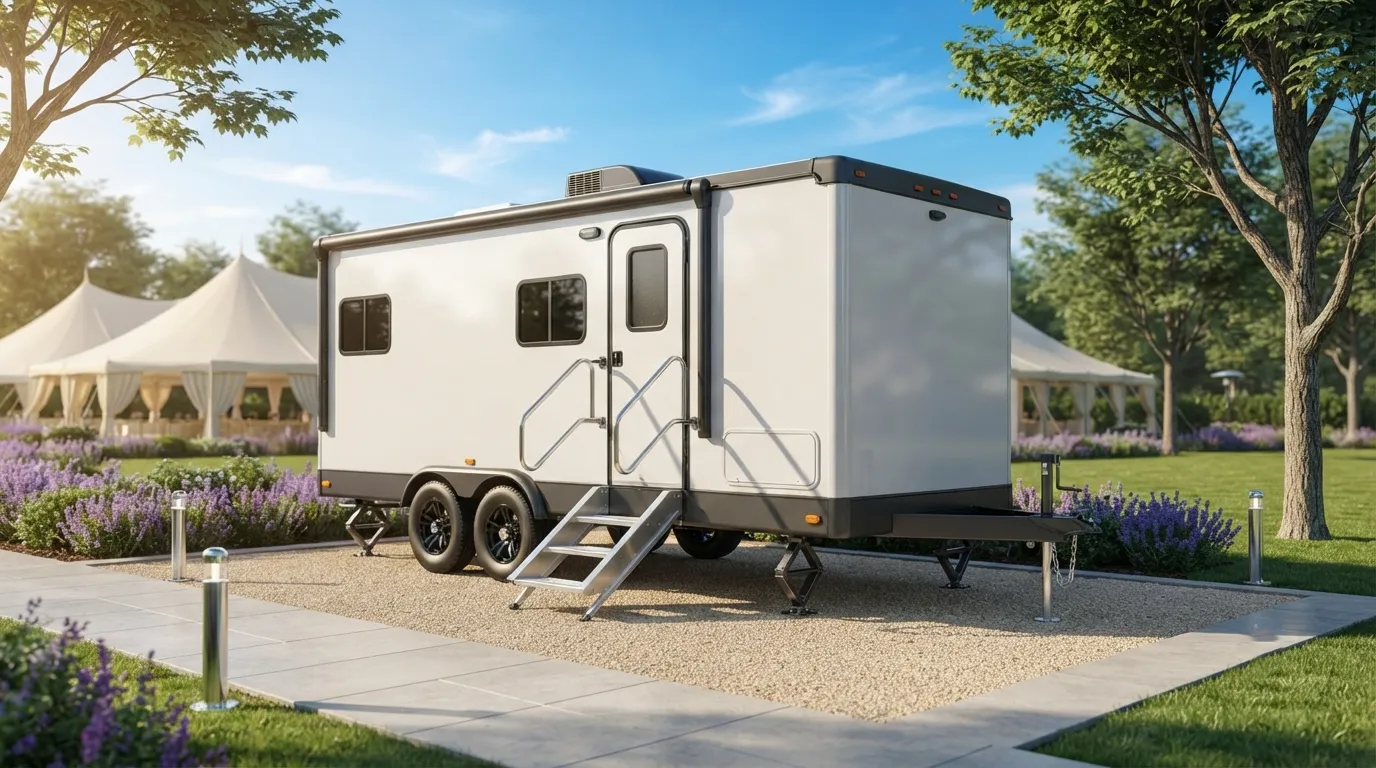
A deluxe or flushable unit adds a small onboard freshwater tank and a foot pump or pedal that pushes a measured rinse into the bowl, so waste moves into a separate holding tank instead of sitting exposed. It feels closer to a real bathroom trip. These units often add a sink, a mirror and interior lighting, and pricing reflects the upgrade: a deluxe flushable porta potty in Eugene runs in a wider band than a standard unit because of the added plumbing and fixtures. For anything with multiple stalls, running water at every sink and a residential feel, a restroom trailer rental is the step up, and the 2 stall restroom trailer is the smallest option most vendors carry.
How Does a Portable Sink Work?
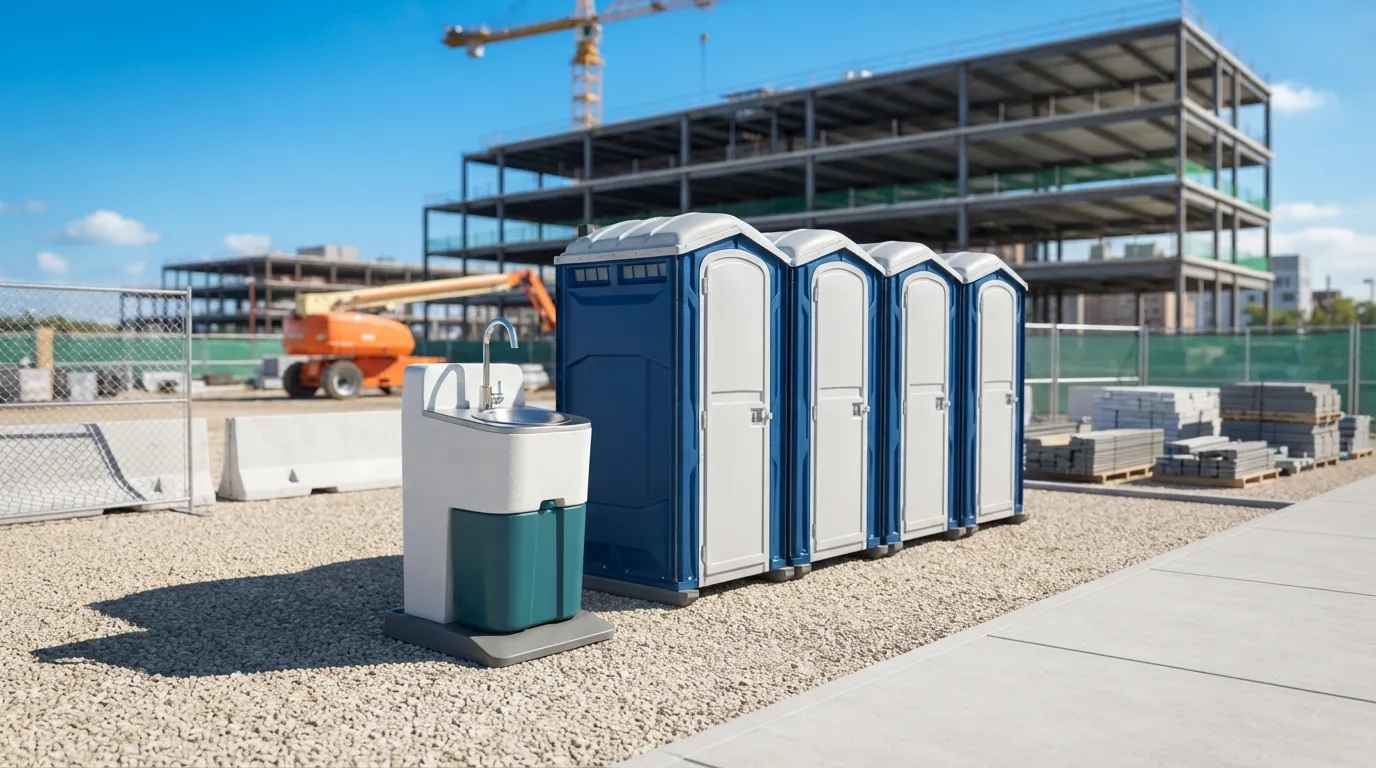
A portable sink runs on the same no-hookup principle: a freshwater tank feeds the faucet, usually by foot pump or a small 12 volt pump, and greywater drains into a separate tank underneath instead of down a drain line. Nothing connects to a building. That setup is why a handwashing station rental or portable sink rental can sit anywhere on a Eugene site, from a construction trailer to a farm stand near Junction City, 13.4 miles north. Under 29 CFR 1910.141(d)(2), a handwashing setup needs soap and a towel or drying device. Hand sanitizer alone does not satisfy it. For sites where crews are applying paints, coatings, herbicides or insecticides, OSHA 1926.51(f)(1) requires actual washing facilities, not just sanitizer, so a hand sanitizer station rental works as a supplement but not a substitute in those specific jobs. Check handwashing station requirements before you order.
Why Do Construction Sites Need Them?
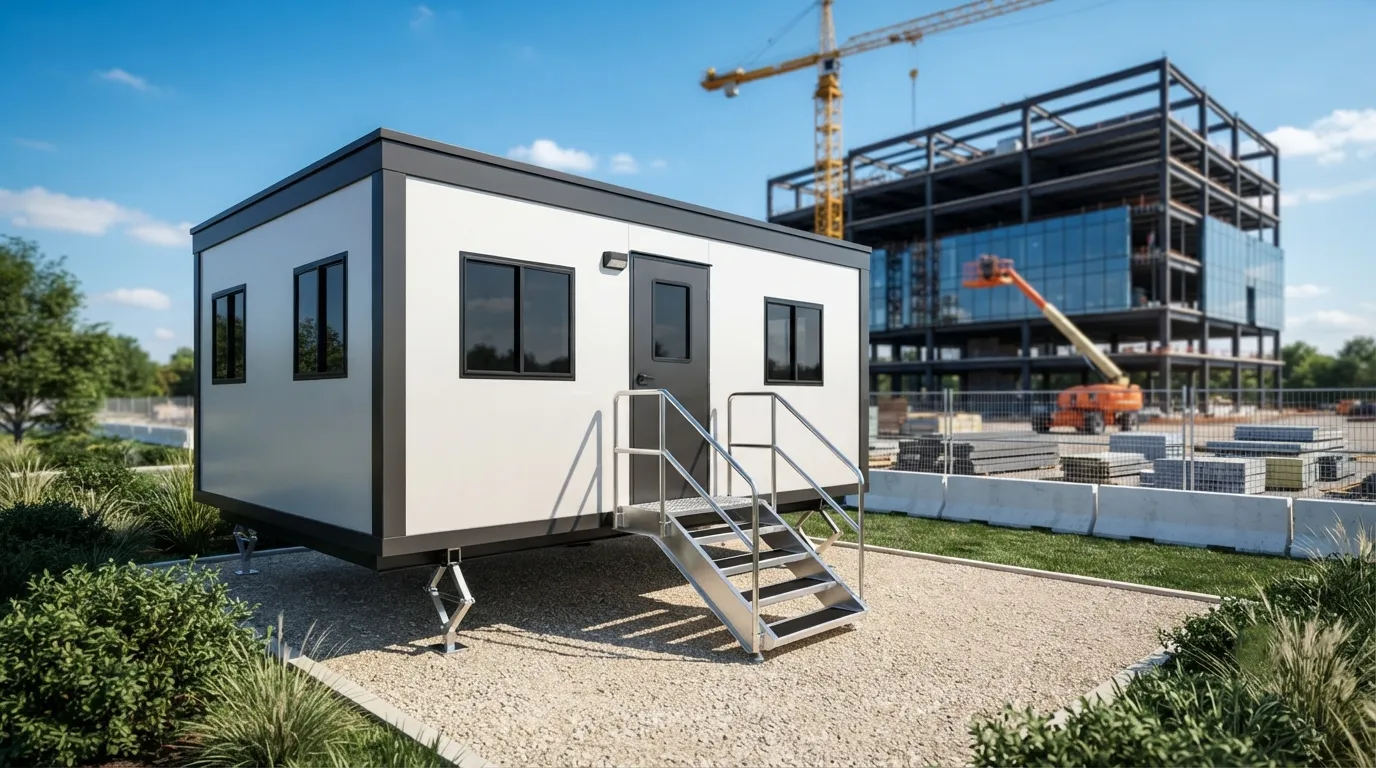
Because OSHA 1926.51(c) sets toilet ratios by crew size, and most job sites do not have a bathroom within walking distance. The rule requires 1 toilet for 20 workers or fewer, then 1 toilet seat and 1 urinal per 40 workers as headcount climbs, up to 1 per 50 once a crew hits 200 or more. A construction worker running to a porta potty on a tight schedule is the whole reason placement matters: put units too far from the work zone and you lose time every single trip. That is what porta potty placement guide is for. Sites also need OSHA 1926.51(a)(1) potable water on hand, separate from the toilet requirement entirely. Larger Eugene jobs with dozens of trades on site often pair construction site services with a temporary fence rental and a light tower rental to keep the whole footprint contained. For pricing across job lengths, see porta potty rental cost or the porta potty rental per day breakdown.
Unit Comparison
| unit | typical use | day rate range |
|---|---|---|
| standard | job sites, short events | $100 to $350 |
| deluxe | events, upgraded comfort | $85 to $1200 |
| ADA | accessible compliance | $200 to $400 |
ADA units need to meet real dimensions, not guesswork: ADA Standards 404.2.3 sets a 32 inch minimum door opening, and 304.3.1 calls for a 60 inch turning circle inside. Where several standard units cluster on one site, ADA Standards 213.2 requires at least 5 percent to be accessible, never fewer than one. The ADA accessible porta potty page has full specs, and ADA restroom requirements covers the broader rule set.
How do camping porta potties work?
Same tank-and-chemical system as a job site unit, just smaller and often lighter for transport. They work fine parked at a remote camp spot with no water or sewer nearby. See camping porta potty for Eugene options and delivery notes.
Do porta potties smell?
They can, if service is skipped or the chemical runs low, but a properly serviced unit controls odor through the vent stack and regular pump-outs. Full details are on do porta potties smell.
How often are porta potties cleaned?
ANSI/PSAI Z4.3 sets weekly service as the baseline for lighter use. Busy Eugene job sites or multi-day events usually need two or more visits weekly. See how often are porta potties cleaned for scheduling by crew size.
Can I rent a porta potty for just a weekend?
Yes. Standard units run in the $125 to $400 weekend range, and Eugene Porta Pros delivers Friday, picks up Monday. Check porta potty rental per day for shorter windows too.
What is the difference between a porta potty and a septic tank?
A porta potty is self-contained and gets pumped on schedule. A septic tank is buried and tied to plumbing, typically pumped every 3 to 5 years. See septic pumping service for Eugene tank service.
Next step
Get a delivery date
Tell us the address, the dates and the headcount. We size the order and confirm the route.